I still remember the first time a video game scared me enough to pause it. It was late, the house was quiet, and I was creeping down a hallway that looked almost ordinary. The wallpaper was faded. A single lamp flickered at the far end. Nothing jumped out at me. The silence itself felt wrong, like the building was holding its breath. I stopped moving, sat back, and realized my heart was pounding over a corridor that had not even done anything yet. That feeling is the heart of the top game horror atmosphere. It works by making you afraid of what might happen next, long before anything does.
Many players have a similar story. Some remember a creaking floorboard, others a distant voice on a radio. These small moments stay with us for years. This article looks at what creates that lasting dread, how classic franchises built their reputations, and what developers and players can learn from the best examples.
What Makes Atmosphere the Real Star
Horror games depend on atmosphere more than on monsters. A creature that appears too early loses its power. A room that feels wrong can frighten you for an hour without a single enemy in sight. Strong atmosphere builds tension slowly, teaching the player that the environment cannot be trusted.
The best designers treat every element as part of the mood. Lighting, sound, camera angle, pacing, text, and even the size of a room all send signals. When those signals line up, the game feels alive and hostile. When they clash, the spell breaks quickly. Understanding this teamwork helps explain why some titles still feel frightening decades after release.
The Power of Restraint
Restraint is one of the most underrated tools in horror. Designers who hold back, showing only a shadow or a sound, often create stronger fear than those who reveal everything. The player’s imagination fills in the blanks, and imagination is usually far more terrifying than any polygon model.
Many experienced developers say the scariest moment is the one before the monster appears. That pause gives players time to anticipate, prepare, and imagine the worst. A skilled designer knows exactly how long to hold that pause.
Sound Design That Gets Under the Skin
Sound may be the most powerful tool in the top game horror atmosphere. Players often notice a sudden silence before they notice a visual threat. A faint scrape in another room, a breath too close to the microphone, or a distant footstep can raise the heart rate without any warning.
Sound designers layer effects carefully. They use spatial audio so a noise seems to come from a specific direction. They vary volume and pitch so repeated sounds do not become predictable. Some games use music sparingly, letting silence do the heavy work. When music does appear, it often sounds distorted or unsettling, which keeps the player off balance.
Silence as a Weapon
Silence is not empty in good horror design. It is full of expectation. When a game removes background music, the smallest noise becomes significant. Players lean forward, turn up their volume, and listen for danger. This physical reaction makes fear feel real, even though the room around them is quiet.
Using Sound to Guide Players
Sound can also direct attention without the player realizing it. A faint whisper from one corridor may pull someone toward a hidden item or a dangerous path. Designers who use sound this way create tension and guidance at the same time, which keeps the experience smooth while still feeling uneasy.
Lighting, Color, and the Fear of the Unseen
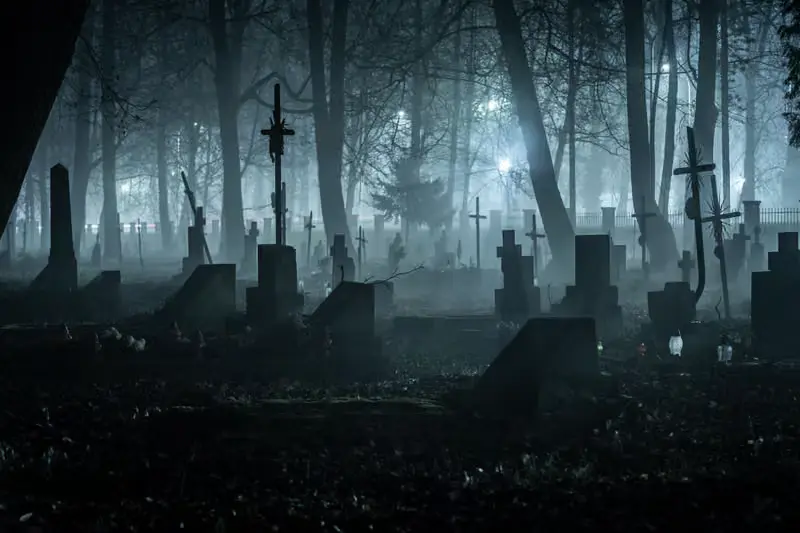
Lighting shapes how safe or threatened a player feels. Bright, even light tends to reassure. Dim light, uneven shadows, and sudden darkness make the mind search for threats. Many horror games use limited light sources, such as a flashlight with a battery that slowly drains. That resource pressure adds a second layer of fear, because the player worries about running out of light at the worst moment.
Color also matters. Desaturated palettes, sickly greens, and deep reds can change how a scene feels. Some designers use warm tones in safe areas and cold, washed-out tones in dangerous ones. Players may not consciously notice the shift, but they feel it in their posture and breathing.
Why Limited Visibility Works So Well
When players cannot see clearly, they must rely on sound, memory, and instinct. Limited visibility forces them to slow down and pay attention. Good designers balance darkness with enough visual information to keep the player oriented. Too much darkness feels unfair. Too little leaves the fear without any tension.
Pacing That Builds Dread Over Time
Pacing separates memorable horror from forgettable jump scares. A game that scares the player every few minutes quickly becomes numbing. Players learn the rhythm and stop reacting. Better pacing alternates tension with calm, creating a cycle where relief itself becomes unsettling.
Experienced designers often plan the emotional curve of a level. They might start with quiet exploration, add a small threat, then let the player feel safe for a moment. Just when that safety feels earned, a new danger appears. This rhythm keeps the player emotionally invested and mentally alert.
The Value of Quiet Moments
Quiet moments are not filler. They give players room to breathe and reflect on what they have seen. They also make the next threat more effective. A horror game that never slows down exhausts its audience. A game that uses calm wisely leaves players constantly wondering when the calm will end.
Classic Franchises That Defined the Genre
Some franchises have shaped how the top game horror atmosphere works. Early titles established ideas that designers still use today. Their influence can be seen in newer games that prioritize mood over spectacle.
Resident Evil, released by Capcom in 1996, helped define survival horror with fixed camera angles, limited ammunition, and carefully placed enemies. The restricted view created uncertainty about what waited around each corner. Limited resources made every choice feel heavy.
Silent Hill 2, released by Konami in 2001, is often praised for its psychological depth and haunting sound design. Its fog, radio static, and eerie town layout turned the environment into an extension of the protagonist’s guilt and grief. Many players still describe its atmosphere as deeply personal rather than merely frightening.
Alien: Isolation, released by Creative Assembly in 2014, showed how a single enemy could dominate an entire game. The creature moved through vents and corridors with unpredictable timing. Players spent hours listening for movement, which made every locked door feel like a potential trap.
Amnesia: The Dark Descent, released by Frictional Games in 2010, removed combat entirely. Players could only hide, run, and manage their sanity. That choice made vulnerability the central experience. Many players found the dark corridors more frightening because they had no weapon to rely on.
Lessons From Franchises That Lasted
These franchises share a common lesson. Their scares came from consistent mood, meaningful limitations, and a sense that the world itself was hostile. Newer developers who study these examples often focus less on chasing shock and more on building a coherent emotional world.
Narrative Design and Emotional Resonance
Story gives horror its meaning. A monster with no context is only a obstacle. A monster tied to grief, guilt, or a community’s secret becomes unforgettable. Narrative design helps players care about what they are seeing, which makes fear more intense.
Environmental storytelling is especially powerful. Notes on a desk, abandoned toys in a room, or scratches on a wall can reveal a history without a single cutscene. Players piece together the past while moving through the present. That detective work keeps them engaged and deepens the unease.
Some of the best horror games use the protagonist’s inner state as part of the atmosphere. A character who hears voices, forgets events, or feels responsible for a tragedy turns the environment into a mirror. Players experience the fear through that character’s perception, which makes every shadow feel personal.
Making Story and Fear Work Together
Writers and level designers should collaborate closely. A story beat can suggest where the scare should land. A scare can reveal a piece of the story. When both work together, the game feels unified rather than split into separate parts.
Practical Advice for Players and Designers
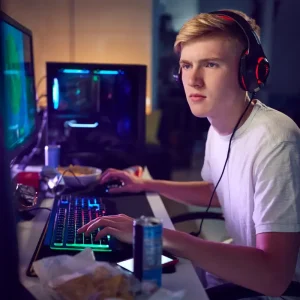
Players who want to enjoy the top game horror atmosphere can make their sessions more effective. Play in a dark room with headphones, if the experience feels comfortable. Good audio reveals details that speakers may miss. Take breaks between intense sections so tension does not turn into exhaustion. If a game becomes too overwhelming, pause, breathe, and come back later. Horror should feel thrilling, not punishing.
Designers can focus on a few principles. Build a consistent mood before adding frightening events. Use sound as a primary tool, not an afterthought. Limit resources in ways that create meaningful decisions. Test how the game feels with fresh players, since familiarity dulls fear. Most importantly, respect the player’s emotional limits. Fear works best when it feels earned and survivable.
Caring for Players Who Feel Too Scared
Some players find horror genuinely distressing. Developers can offer adjustable settings, such as subtitles, difficulty options, and the ability to skip certain sequences. Clear content warnings also help players make informed choices. A strong horror experience should frighten without causing real harm.
Why the Best Horror Stays With Us
The top game horror atmosphere lingers because it speaks to something deeper than surprise. It reflects our fear of the unknown, our anxiety about loss, and our sense that safe spaces can change without warning. When a game captures those feelings through sound, light, pacing, and story, it creates an experience that stays in memory long after the console is off.
Looking back at the hallway that made me pause years ago, I understand the lesson better now. The designers did not need a monster on screen. They needed a quiet space, a careful sound, and the patience to let my imagination do the rest. That is the quiet craft behind every great horror game. It asks players to trust their instincts, then rewards them with a fear they will remember.
Conclusion
1. What makes game horror atmosphere more effective than jump scares?
Atmosphere builds tension gradually through sound, lighting, and pacing, so players stay uneasy for long periods. Jump scares create a brief shock, but they fade quickly. A strong mood keeps the fear alive between moments of action and gives each scare more weight when it finally arrives.
2. Why do classic horror franchises still feel frightening today?
Classic franchises often relied on limited resources, restricted views, and carefully paced threats rather than flashy graphics. Those design choices remain effective because they force players to think, listen, and imagine. Many newer games still borrow these ideas, which keeps older titles relevant.
3. Should beginners play intense horror games with headphones?
Headphones can deepen immersion, but beginners should start at a comfortable volume and take regular breaks. If a game causes real anxiety, lowering the difficulty, playing in daylight, or stopping for the day is perfectly reasonable. Enjoying horror should never mean ignoring your own limits.